But the good news is I did change my heart. It just took a while to generate the will. And that's my right. I also get better at this stuff. And that's all God asks. Live this moment right; the past is his property. I am no different from everything else: I'm not what I was. And I'm not even what I've done. That was the koan Gautama gave to Angulimala, the serial killer who became his disciple. All you have to do to please God is strive. He accepts all progress, even that which is invisible to others, even that which is invisible to you, as full payment. That's why we live so many lives. In point of fact, we live as many lives as it takes. All of us. No Heart Left Behind. Fudo closes the door on an empty room. That's his vow.
And by this truth, capital punishment is not just technically murder, it's the random, joyful murder of serial killers. You never kill the man who killed; every criminal executed is innocent, and that would be the case even if you crucified him the very night. Admittedly, that point is academic. But when you kill a man who has lived twenty more years, suffering in the man-made Hell of prison, you are not only killing a complete stranger, you're often killing a soul seared generous and kind in a fire you set. So don't come snivelling around here with your "eye for an eye;" you've taken a soul for an eye.
Hence the koan of capital punishment: Whose soul have you taken?
Wu Ya's commentary: "Not mine. Anybody missing a soul?"
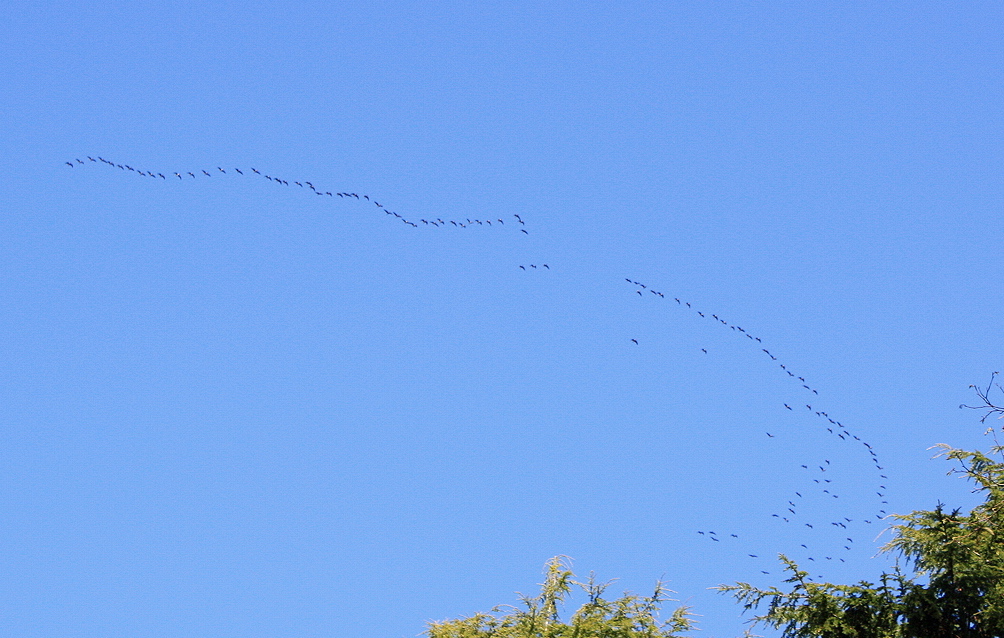
(Exerpt from an earlier draught of "100 Days on the Mountain," copyright RK Henderson. Photo courtesy of WikiMedia and Rafael Pi Belda [photographer].)